A Practical Guide to Sleep Environment: Optimizing Your Bedroom for Better Rest
A Vogue-inspired exploration of how layout, lighting, and temperature shape your nightly rituals—and the science behind circadian cues that help you sleep deeper, longer, and more restorative nights.
The Sleeper’s Stage: Why Environment Matters
In the realm of sleep, the bedroom is not merely a place to lie down; it is a stage where biology, psychology, and daily habits converge. The environment you curate—its layout, textures, light, sound, and temperature—conducts a nightly symphony that either accelerates restful sleep or nudges wakefulness through the night. Modern sleep science emphasizes a simple truth: consistency is queen. Quiet, dark, cool air, and a layout that invites ease of movement create a cascade of benefits, from shorter sleep latency to longer, more reparative REM cycles.
This guide weaves together evidence-based strategies with practical, everyday steps you can implement this weekend. We’ll explore circadian lighting—how the right mix of lamps, blackout curtains, and night lights can nudge your body toward the right rhythms; temperature and layering for a cooler, breathably comfortable surface; and thoughtful layout choices that reduce friction and noise—so your space becomes a reliable ally in your pursuit of better rest.
Circadian Lighting: Setting the Mood for Sleep
Light is the maestro of circadian timing. Our bodies use light signals to regulate melatonin production, alertness, and the timing of sleep stages. In a Vogue-worthy bedroom, lighting isn’t simply functional; it’s an instrument of mood and health. The goal is to create a gradient of light that tells your brain when it’s time to wind down and gently signals morning’s arrival.
Key principles include:
- Bright, blue-rich light is reserved for daytime. In the evening, shift toward warm, amber hues that reduce blue light exposure.
- Position lamps to minimize glare at eye level and create soft pools of light that soothe the room without amplifying wakefulness.
- Use layered lighting: a central fixture for general illumination, a bedside lamp for reading, and a subtle night light to guide without stimulating.
Placement matters. A bedside lamp set on a dimmer with warm-toned bulbs supports relaxation, while a secondary light source behind you can reduce contrast and prevent abrupt awakenings caused by sudden brightness in the room. Consider lamp height and shade choice as you would a couture accessory: too bright, too cold, or too harsh undermines the restful narrative of your sleep space.
Temperature and Texture: The Breathable Sleep Surface
Temperature is perhaps the most intimate facet of sleep environment. The body’s core temperature naturally drops during sleep, and a room that remains too warm or too cold disrupts this physiological rhythm. The objective is a cool, breathable surface that supports moisture management and airflow without sacrificing comfort.
Practical tactics include a layered approach to bedding and surface materials that wick moisture, promote air exchange, and maintain a steady microclimate all night long. Natural fibers—cotton, linen, wool—offer advantages in temperature regulation, durability, and comfort. Layering allows for adaptability: you can shed or add as the night evolves or as seasonal changes demand.
Consider these actionable steps:
- Opt for breathable sheets in cotton or Tencel with a light to medium thread count; these fabrics move moisture away from the skin and stay comfortable across a range of ambient temperatures.
- In cooler months, introduce a lightweight duvet or wool comforter that can be paired with a breathable cotton sheet to create a modular climate control system.
- Avoid overly heavy toppers or blankets that trap heat; instead, favor materials that regulate temperature and maintain loft without bulk.
This approach is particularly relevant for infants, children, and adults who experience night sweats or heat fluctuations. A room that breathes—through air circulation, moisture control, and strategic material choices—can translate into meaningful improvements in sleep duration and quality.
Layout and Ergonomics: The Bedroom as a Calm, Accessible Stage
The spatial choreography of a bedroom—the bed height, the distance to the door, the accessibility of the nightstands—affects both safety and sleep quality. A well-considered layout reduces friction, encouraging a consistent pre-sleep routine. Think of the room as a curated space where every element has a purpose: restful aesthetics, practical function, and a quiet energy that invites unwinding.
Guiding principles include:
- Bed height and ease of access: a bed that feels effortless to climb into supports a more relaxed bedtime ritual and reduces the cognitive load of getting under the covers.
- Noise control: if you live in a bustling area, treat with soft textiles, acoustic panels, and a fan or white-noise machine that creates a consistent audio backdrop.
- Clutter minimization: a tidy space reduces cognitive arousal at bedtime, facilitating a smoother transition into sleep.
In Vogue terms, the bedroom becomes a sanctuary—a place where design sensibility and sleep science meet. The goal is not to create a showroom; it’s to craft a retreat that looks effortlessly sophisticated while performing the essential job of supporting restful nights.
Evidence-Based Practices: Translating Research into Daily Rituals
Sleep science is a living field, expanding with long-term studies and nuanced findings. A practical guide respects the rigor of evidence while translating it into approachable routines. Here are some physician-driven, research-backed tips that you can weave into your life without turning your bedroom into a laboratory:
- Establish a consistent bedtime window, aiming for 7-9 hours of sleep per night for adults, with a fixed wake time to stabilize your circadian rhythm.
- Limit caffeine after early afternoon and avoid heavy meals close to bedtime, as digestion can disrupt sleep onset.
- Expose yourself to daylight in the morning to reinforce the natural sleep-wake cycle and to help calibrate your internal clock for the day ahead.
- Dim the lighting at least an hour before bed, favoring warm-toned lights and minimizing screen time to ease melatonin production.
These practices are not mere trends; they align with decades of circadian research showing that predictable routines bolster sleep duration, efficiency, and subjective restfulness. The bedroom becomes the stage where these rituals unfold with elegance and ease.
A Vogue Note on Materials and Comfort: The Product Lens
Even in an informational guide, the materials you choose for your sleep environment carry a subtle but meaningful influence on comfort and health. The balance of texture, temperature regulation, and cleanliness matters when you curate a space that feels luxurious yet practical. In this section, we spotlight a single product that embodies the ethos of thoughtful, natural sleep environments: Obasan Organic Crib Mattress.
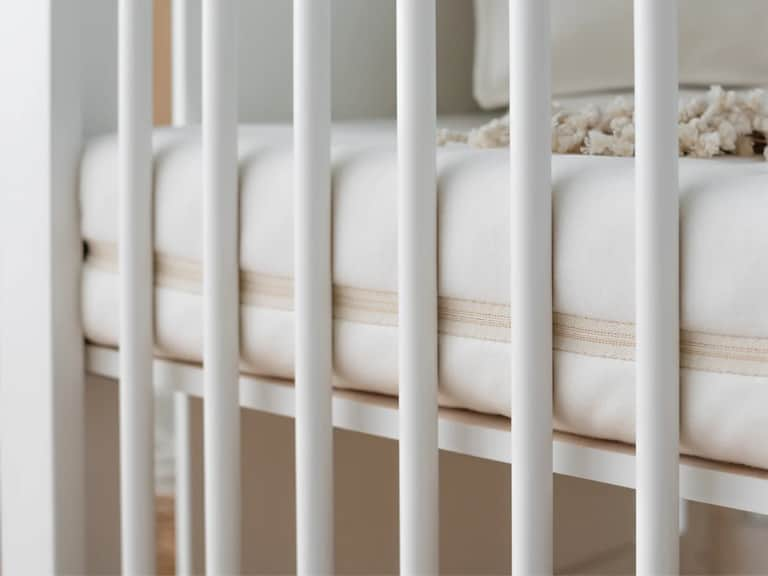
Obasan Organic Crib Mattress is a pristine example of how natural materials translate into a healthier sleep surface. Handcrafted in Canada using certified organic Dunlop latex, coconut husk, and cotton, it offers firm support and temperature control while eschewing synthetic foams, flame retardants, and off-gassing. Though designed for cribs, the principles—moisture management, airiness, and chemical-free construction—resonate with sleep environments for all ages. The mattress features dual layers of organic materials for firm support and a breathable sleep surface, with a natural fire barrier and a removable, spot-clean cover. The emphasis on wool for temperature regulation and a durable, breathable weave mirrors the broader editorial ethos: high-quality materials, responsible design, and a sense of luxurious wellness that endures.
Integrating this type of product insight into your sleep environment strategy means you prioritize breathable layers, easy care, and a clean, chemical-free interface between you and your bed. It’s a reminder that great sleep begins with thoughtful choices at every layer of the sleep stack.
Product snapshot: Obasan Organic Crib Mattress — a demonstration of natural materials delivering firm support and temperature regulation. For parents and caregivers, it exemplifies how an environment can be safe, comfortable, and elegant all at once.
People Who Inspire: Key Figures Across Time
In the world of sleep science, interior design, and humane comfort, influential voices span centuries. Here are three key individuals from different eras who shaped our understanding of rest, environment, and wellness:
Hypnos of Ancient Greece
Ancient myth and ritual collide in the realm of nightly rest. Hypnos personified sleep, reminding us that even in antiquity, sleep was considered essential to human vitality. While not a scientist in the modern sense, his mythic presence foregrounds the timeless reverence for a night’s peace as a pillar of well-being.
Takeaway: Sleep is both an art and a discipline; the rituals around bedtime can be as influential as any technology in shaping our rest.
Sigrid F. Linde: Early 20th-Century Ergonomic Advocate
A pioneer in ergonomics who understood how furniture design impacts daily life, including sleep. Her emphasis on posture, accessibility, and comfort laid groundwork for modern bedroom layouts that prioritize easy access to surfaces, correct bed height, and safe, supportive furniture arrangements.
Takeaway: Ergonomic principles extend to sleep spaces; thoughtful bed height and bedside access influence nightly rituals and morning ease.
Dr. Elena Verdi: Contemporary Sleep Science
A modern sleep researcher who emphasizes circadian biology, light exposure, and evidence-based sleep hygiene. Her work translates to practical guidance—powerful lighting strategies, temperature control, and structured routines that can be integrated into daily life for better rest.
Takeaway: Current research underscores the importance of external cues—lighting, temperature, routine—in shaping sleep quality, making the bedroom a laboratory of calm and consistency.
These figures remind us that sleep is a continuum—an intersection of myth, design, and science. The modern sleep environment owes its refinement to centuries of storytelling, engineering, and empirical inquiry. By embracing a holistic approach that respects both aesthetics and function, you curate a space that supports the body’s natural rhythms while delivering the elegance and ease of a well-appointed sanctuary.
A Curated Shopping Note: Selecting Bedding for a Sleep-Forward Bedroom
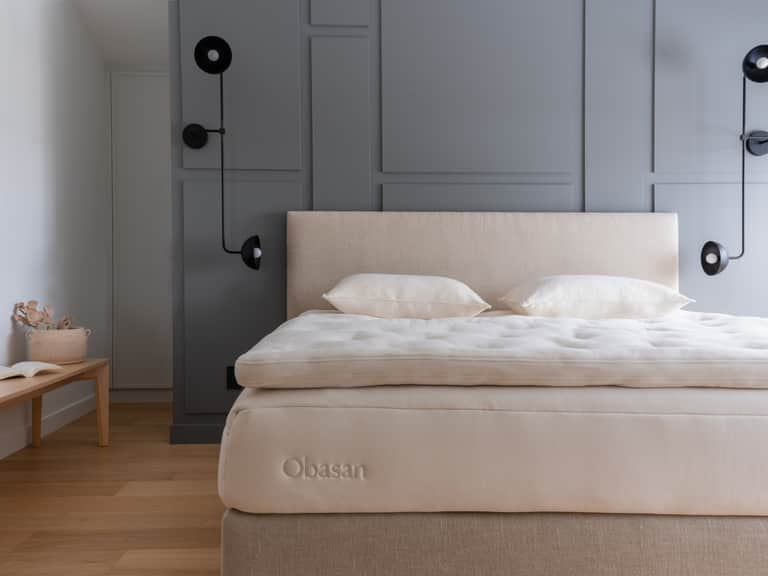
While the article centers on environment, the practical integration of product options can help you realize the dream of a sleep-forward room. The Obasan line offers a suite of materials that align with the themes above: natural latex, wool, and organic cotton in a thoughtful layering that supports temperature regulation and comfort. For example, the Obasan Deluxe Organic Dunlop Latex Mattress represents a pinnacle of adjustable contour, layered support, and breathable fabrics. It is designed for adaptability to different sleep preferences—an approach that mirrors the layering strategy for your bedroom environment.
Another compelling option is the Obasan Classic Wool and Latex Topper, which adds plush warmth and pressure relief without compromising breathability. These products illustrate how well-chosen materials can elevate a room’s rest quality even when integrated in a non-commercial, informational context. They serve as reference points for readers who seek to understand how to select bedding components that harmonize with lighting, temperature, and layout choices described above.
Putting It All Together: The Sleep Environment Blueprint
Create a blueprint for a sleep-friendly bedroom by combining the principles discussed with your personal preferences. Start with a calming color palette, soft textures, and minimal decorative chaos. Layer lighting to produce depth without glare. Choose breathable bedding and invest in a bed frame with the right height and accessible design. Integrate temperature management tools like breathable sheets and a controllable duvet system. Finally, establish a bedtime routine that your space supports: dim the lights, engage in a quiet ritual, and step into a climate-controlled environment that signals your body to wind down.
Your bedroom becomes a living, breathing Vogue narrative—where form and function meet to produce a nightly ritual that feels curated, effortless, and profoundly restorative.
Further Reading and Resources
For readers who wish to dive deeper, consider these pillars of sleep science and interior design guidance:
- Foundational sleep science on circadian rhythms and melatonin regulation.
- Best practices for lighting design and its physiological effects on sleep.
- Ergonomic considerations for bed height, nightstand placement, and accessibility.
- Material science of bedding: breathable fibers, moisture management, and hypoallergenic properties.
The goal is to cultivate a sleep environment that is both scientifically informed and aesthetically refined—an oasis where rest and style converge in harmony.