Sleep environment · Materials guide
How Wool Mattress Toppers Manage Moisture and Changing Temperatures
A bed is a small climate of its own: warmth gathers beneath the covers, moisture moves away from the body, and every layer influences the feel of the night. Wool mattress toppers are valued for the way they can absorb water vapour while remaining breathable. Understanding that balance—and its limits—can help you decide whether wool belongs in your sleep setup.
The quick take
Wool is hygroscopic: it can take up moisture vapour into its fibers without immediately feeling wet. At the same time, the structure of wool and the way it is assembled into a topper can allow air to move through the material. Together, these qualities may help moderate the sensation of a warm or damp sleep surface for some people.
That is not the same as active cooling, temperature control on demand, or waterproof protection. A wool topper does not set the temperature of a room, remove heat like a fan, or guarantee that a sleeper will stay cool. Its effect depends on the topper’s construction, the mattress beneath it, the sheets above it, bedroom conditions, and individual comfort.
Think of wool as one part of a layered bedding system. The useful question is not whether wool is universally better, but whether its feel, care requirements, and moisture-handling properties suit your particular bed and routine.
What happens to moisture during sleep?
Even in a comfortable bedroom, the body gives off heat and moisture overnight. Some moisture leaves as water vapour; some may collect in fabrics, especially when airflow is limited or the surrounding environment is humid. The experience is familiar: a bed can feel close, clammy, or simply warmer than expected, even when the room itself does not seem unusually hot.
Bedding materials do not all interact with moisture in the same way. A fabric that readily absorbs liquid may feel damp when it holds too much of it. A surface that feels dry may also be relatively poor at taking up moisture. In practice, the sensation depends on several things at once: how much moisture is present, how quickly it can move through the layers, how warm those layers are, and whether air can circulate around the sleeper.
A topper sits between the mattress and the fitted sheet, so it can influence the feel of that interface. It is not a sealed barrier, and it does not work alone. A thick mattress protector, tightly woven sheets, a non-breathable mattress cover, or restricted airflow under the bed may affect the overall result. Looking at the whole arrangement is more useful than judging a single fiber in isolation.
Wool’s distinctive balance: absorbent, not necessarily damp-feeling
Wool fibers can absorb moisture vapour into their structure. This is one reason wool is often described as moisture-managing: it can take up some water vapour while the surface may continue to feel relatively comfortable. The distinction matters. Absorption does not mean moisture disappears; it means the fiber can hold some of it, and the surrounding conditions influence what happens next.
When the air around the bedding is able to circulate and is not saturated with humidity, moisture held in fibers may gradually move back into the surrounding air. If the room is persistently humid, the bedding is covered by layers that restrict movement, or the topper itself is exposed to more moisture than it can manage, drying may be slower. Wool is therefore breathable in a material sense, but breathability cannot override a damp room or a poorly ventilated bed.
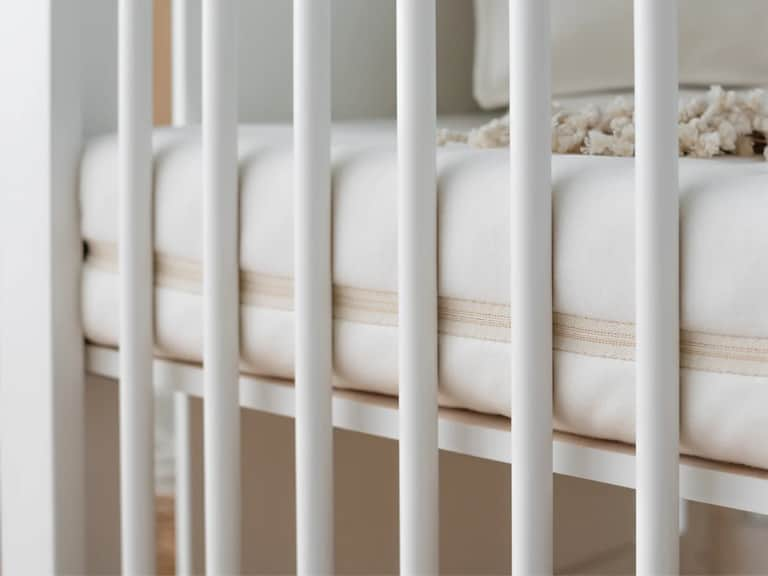
The fiber’s structure also contributes to how it feels. Wool has a naturally crimped form, and wool batting can create a lofted layer with small spaces between fibers. Those spaces affect both air movement and insulation. The result is not a simple one-way cooling effect: wool can provide warmth while also helping manage moisture. The balance between those properties is part of its appeal—and one reason it may feel different from a dense foam layer or a thin, smooth fabric.
How much this matters in everyday use varies. Some sleepers notice a more comfortable, less clammy surface; others may not find a meaningful difference. Material properties can explain plausible effects, but they cannot predict the experience of every person, bed, or climate.
Temperature balance is about the whole bed
It is tempting to describe bedding as either cooling or warming. Real sleep environments are more nuanced. A comfortable surface needs to respond to the sleeper’s warmth, the room’s conditions, and the way each bedding layer holds or releases heat. Wool can contribute insulation and moisture uptake at the same time; that combination may feel balanced to one sleeper and too warm to another.
Consider the complete stack: mattress, topper, protector, fitted sheet, blanket or comforter, and the air around the bed. A substantial comforter can retain more heat than a topper releases. A waterproof or closely fitted layer may change the feel of the surface. Conversely, a light sheet and a well-ventilated room may make the same wool layer feel more comfortable. The composition and thickness of the topper matter, too: a wool-only pad and a wool-and-latex construction are not identical in feel or function.
Temperature perception is personal as well as environmental. Sleepwear, activity, health, stress, medication, hormonal changes, and other factors can influence whether a person feels warm or cool at night. A topper is one possible adjustment—not a guaranteed solution for night sweats, persistent overheating, or a sleep problem. If a sudden or ongoing change in temperature is troubling, a healthcare professional can help assess possible causes.
Moisture management is not waterproofing
Absorbing water vapour should not be confused with protecting a mattress from spills, bodily fluids, or a significant amount of liquid. A wool topper may handle ordinary moisture in a different way from a waterproof protector, but it should not be assumed to provide waterproof coverage. Its care instructions may specifically warn against getting it wet.
If protecting the mattress is a priority, check the specifications of the topper and any separate protector. A moisture-resistant pad, waterproof layer, or washable cover may be appropriate depending on the household’s needs, but those additions can alter airflow and the feel of the bed. It is worth considering the trade-off rather than layering on protection without checking how the components work together.
For everyday hygiene, a washable fitted sheet and regular laundering can help keep the sleep surface fresh. The topper itself may require more delicate care. Wool batting can be sensitive to aggressive washing, high heat, and prolonged dampness, so follow the manufacturer’s directions rather than treating it like ordinary bedding.
A closer look at construction and feel
“Wool topper” describes a category, not one precise design. The fiber source, wool density, quilting, outer fabric, total thickness, and presence of other materials all shape the finished layer. A topper designed primarily for a softer surface may feel different from one intended to add a modest amount of cushioning while preserving more of the mattress beneath it.
Quilting can help keep fill distributed, while the cover affects the surface that meets the fitted sheet. A cotton cover, for example, contributes its own texture and moisture response. If a topper includes latex as well as wool, the latex adds a more resilient, buoyant element; the wool remains part of the construction, but the overall feel cannot be attributed to wool alone.
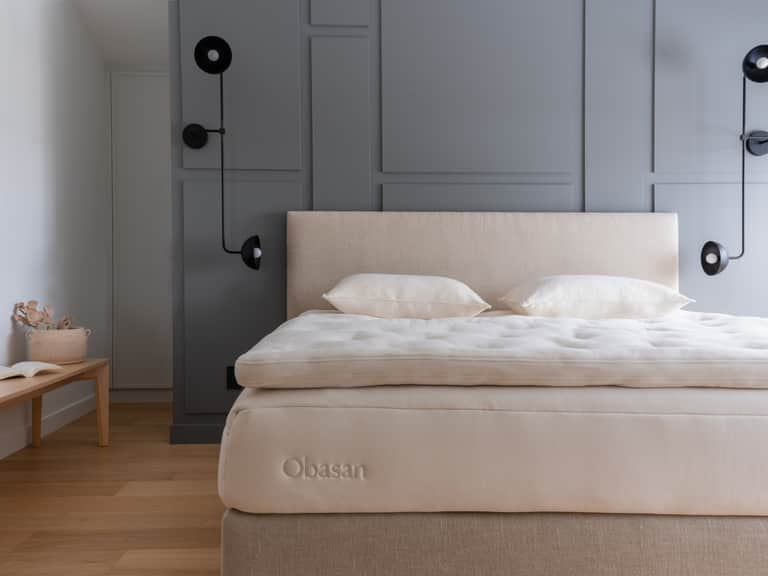
One example of this combined approach is the Obasan Classic Wool and Latex Mattress Topper. Its stated construction includes a 3/4-inch layer of organic latex between layers of needle-punched organic wool, with a total height of 1.5 inches and an organic cotton finish. The product information describes the wool as helping regulate body temperature and the topper as offering cushioning. Because it combines materials, it is best understood as a wool-and-latex layer rather than as a pure wool topper.
Product descriptions can tell you about materials and care, but they cannot establish how a particular person will sleep on a topper. Use construction details as a starting point, then compare them with your existing mattress, preferred firmness, and climate.
Questions to ask before choosing wool
Rather than relying on broad claims about “natural” materials or all-season comfort, examine the practical details. A clear comparison begins with your current sleep surface and the problem you are trying to address: is it a lack of cushioning, a clammy feeling, uneven comfort, or simply curiosity about a different material?
- What is the topper made of? Look for the fill, cover, and any additional layers. A wool-and-latex blend will not feel or behave exactly like wool batting alone.
- How thick is it? Thickness can change cushioning and the sensation of the mattress beneath. It may also affect fitted-sheet fit.
- How is the wool held in place? Quilting or another construction method can help limit shifting, although normal use and care still matter.
- What does the maker say about moisture? Distinguish breathable or moisture-managing claims from waterproofing. Do not assume one implies the other.
- How should it be cleaned? Check whether the item can be washed, needs spot cleaning, or should simply be aired. Care needs are part of suitability.
- What certifications are specified? If certifications matter to you, verify which materials they apply to and what the stated certification covers. Avoid assuming that a claim for one component applies to every component.
- Will it fit the bed? Match the topper to the mattress dimensions and consider mattress depth, protector thickness, and fitted-sheet pocket depth.
- What is the return or warranty policy? Comfort is personal. Knowing the applicable terms before purchase can make an unfamiliar material easier to evaluate.
These questions keep the decision grounded in the actual product and your own circumstances, rather than in a single headline about wool’s performance.
Climate, ventilation, and everyday care
Bedroom climate has a quiet but important influence. In a cool, dry room, a wool layer may feel insulating without seeming close or stuffy. In a warm, humid room, moisture may take longer to leave bedding, and an extra layer can feel like too much to a heat-sensitive sleeper. Neither situation is a verdict on wool; each is a reminder that material performance depends on its surroundings.
Air circulation matters at the level of the room and the bed. Keep bedding from remaining damp, allow the mattress and topper to air according to their care guidance, and avoid sealing materials in storage before they are dry. If the bed sits on a solid surface, follow the mattress maker’s recommendations for the base and ventilation. Never assume that every mattress or topper needs the same foundation conditions.
For a wool topper, gentle maintenance is usually preferable to improvised deep cleaning. Follow the product label, spot clean only when permitted, and use minimal moisture if the instructions call for it. Avoid direct heat or sunlight if the manufacturer advises against them. Regularly rotating or flipping a topper may help distribute wear only when the product’s directions allow it; not every design is reversible.
Protective layers also deserve attention. A protector that can be laundered may make routine care simpler, but its material can influence how air and moisture move through the bed. If you add one, reassess the finished surface rather than assuming the topper’s original feel will remain unchanged.
How to evaluate the result at home
If you introduce a wool topper, give yourself a considered way to assess it. Keep the rest of the bed as consistent as possible for several nights: similar sheets, blankets, sleepwear, and bedroom settings. Note whether the surface feels less clammy, more cushioned, warmer, or unchanged. Small observations are more useful than expecting a dramatic transformation on the first night.
It can help to separate two questions. First, has the physical comfort of the mattress changed in a welcome way? Second, does the bed feel more balanced in temperature and moisture? A topper could improve one without changing the other. If you sleep warmer after adding a layer, the issue might be the combined warmth of the full bedding ensemble rather than a failure of wool’s moisture-handling properties.
Also check for straightforward practical issues: whether the topper shifts, whether the fitted sheet still sits securely, and whether care feels manageable. A material can have appealing characteristics on paper yet prove inconvenient in a particular routine. Comfort includes the experience of living with the bedding, not just how it feels at bedtime.
Who might appreciate wool—and who may not
Wool may be worth considering if you are curious about a soft, naturally insulating layer and value the possibility of moisture uptake alongside breathability. It may appeal to someone who wants to adjust the surface feel of a mattress without assuming that a topper will change the underlying support system. The precise result depends on construction and personal preference.
It may be less suitable if you prefer a very cool, minimal surface, need a fully waterproof layer, want bedding that can be machine-washed frequently, or are sensitive to the texture or smell of wool. Price, availability, allergies or sensitivities, and care requirements can all be relevant. “Natural” does not automatically mean right for every person or household.
Those looking for a more substantial change in support should remember that a topper modifies the surface; it does not necessarily correct a mattress that is worn out, sagging, or fundamentally uncomfortable. In that case, evaluating the mattress itself may be more useful than adding another layer.
The considered conclusion
Wool’s appeal lies in a particular balance. Its fibers can absorb moisture vapour, while a lofted construction may allow air to move through the layer; at the same time, wool can provide insulation. This combination helps explain why wool bedding can feel comfortable to some sleepers across changing conditions. It does not make wool a cooling device, a substitute for ventilation, or a universal answer to nighttime heat.
Start with the conditions of your room and the layers already on your bed. Then consider the topper’s materials, thickness, care instructions, protection needs, and fit. A thoughtful choice is less about chasing an idealized promise of perfect sleep and more about understanding what each layer contributes.
In the end, a well-balanced bed is a composition: fibers, airflow, warmth, and personal comfort in conversation. Wool can be a graceful part of that arrangement—provided its particular qualities match the sleeper and the space.
Frequently asked questions
Does a wool mattress topper keep you cool?
Not in the sense of actively cooling the body or lowering room temperature. Wool can absorb moisture vapour and may feel breathable, but it also provides insulation. Whether the overall bed feels cooler, warmer, or more balanced depends on the topper’s construction, other bedding layers, room conditions, and the sleeper.
Can wool help with a damp-feeling sleep surface?
Wool can take up moisture vapour, which may affect how the bedding feels. It is not a guarantee against clamminess, and it does not remove moisture from a humid room. Airflow, sheets, protectors, and the rest of the bedding system all play a part.
Is a wool topper waterproof?
No. Moisture absorption and water resistance are different from waterproof protection. Check the product specifications and use a separate protector if mattress protection is needed, bearing in mind that an added layer can change the feel and breathability of the bed.
How should a wool topper be cleaned?
Care varies by design. Follow the manufacturer’s instructions for spot cleaning, airing, rotation, and storage. Do not assume a wool topper is machine washable or suitable for high heat; improper cleaning can damage the materials.