Foam mattresses are designed to support the body through layered cushioning that responds to pressure and distributes weight across the sleep surface. Their construction may include memory foam or other responsive foams, with firmness and feel varying by model. Understanding these characteristics helps people compare mattress comfort, support, and compatibility with existing bedding.
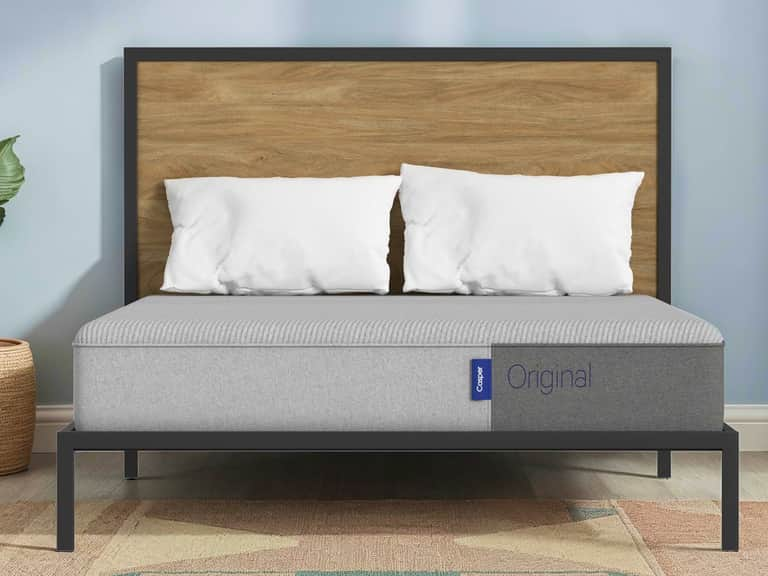
The Original Mattress is one option in this category, with a foam-based design intended to combine cushioning with foundational support. Its layered construction can help reduce pressure at common contact points and create a more even sleeping surface. Comfort preferences, sleeping position, and body weight all influence how its features feel in everyday use.
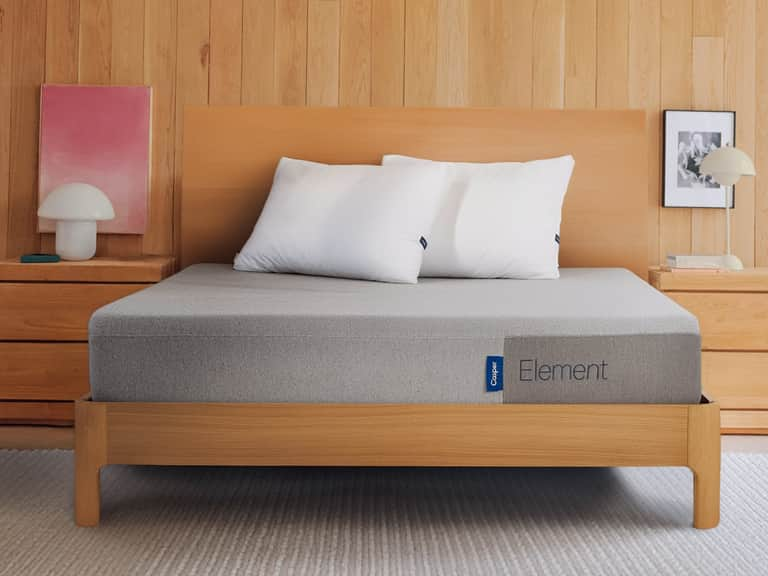
The Element Mattress is another foam mattress option, offering a distinct model choice for people comparing mattress feel and support. Foam layers can provide contouring while helping distribute body weight, though firmness and responsiveness depend on the specific construction. Comparing the Element Mattress with the Original Mattress can clarify which design better suits individual comfort needs.
Foam mattresses are commonly considered by sleepers seeking pressure relief, motion absorption, or a surface that contours to the body. These qualities may support comfortable rest for people sharing a bed or changing positions during the night. Mattress performance also depends on the foundation, room conditions, and proper care over time.
A complete sleep setup includes more than a mattress: bedding, pillows, memory foam pillows, and sheets can affect comfort and temperature. Pillow height and material influence head and neck support, while fitted-sheet dimensions should match mattress depth. People comparing foam options may also consider organic mattresses when evaluating materials and construction preferences.
 Mattresses